


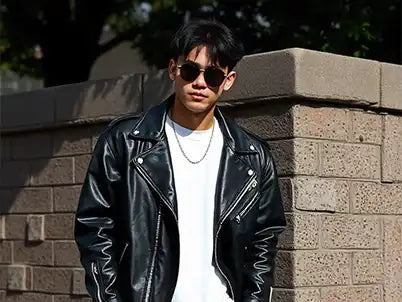


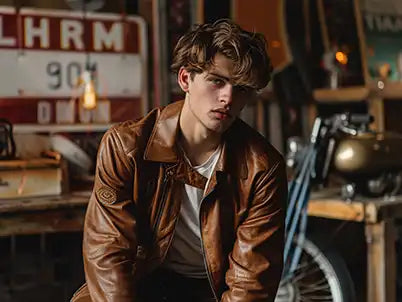
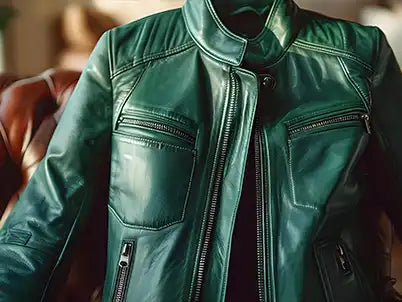


A new leather jacket may look great, but its stiff feel can make everyday movement uncomfortable. It can feel firm in the sleeves, shoulders, and elbows.
The safest way to break in a leather jacket is to wear it regularly during everyday activities and let your arms move naturally. Leather type, thickness, and finish all affect how long that takes, and a jacket that is too tight or has gone dry after storage needs a different approach, which this guide helps you spot.
From stiff sleeves to proper leather care, here's what we'll cover:
- Why leather jackets feel stiff and what causes it.
- Simple everyday steps to break yours in.
- When conditioner helps you soften stiff leather, and when to skip it.
- What to do about tight sleeves and elbows.
- How long it takes and which shortcuts to avoid.
How to Break In a Leather Jacket Safely

Wear and patience do most of the work, but a few habits keep the process gentle on the leather and the seams.
Below is the routine, in order.
1. Check the Finish, Care Label, and Fit
Start with the care label and your jacket’s finish, whether it’s smooth, suede, nubuck, or coated, because each one is handled differently.
Then see how it fits, since a jacket that pulls across the chest or shoulders won’t loosen enough through wear alone. Knowing what a correct leather jacket fit looks like helps you tell a fit problem from ordinary stiffness.
2. Wear It During Everyday Activities
The easiest way to start breaking in a new leather jacket is to wear it. Walking, sitting, and moving around the house are enough.
Begin with whatever feels comfortable and add time as it gets easier, since softening is gradual and long stretches aren’t needed.
3. Allow Gentle Arm and Shoulder Movement
To break in a stiff leather jacket, bend your elbows, reach forward, and roll your shoulders in relaxed, natural movements.
Make sure the flexing is gentle. Pulling at the sleeves or forcing your arms into awkward positions puts strain on the seams and can mark the leather.
4. Store Your Jacket Properly Between Wears
Hang it on a wide, supportive hanger so the shoulders keep their shape. Choose a cool, dry, ventilated spot away from sunlight and heat, since storing a leather jacket properly matters just as much as how you wear it. Skip tight folding or rolling, which can leave creases in the wrong places.
5. Check Comfort Before Continuing
Every so often, compare how the jacket feels during the same movements. Do your arms move more easily? Does sitting feel less restrictive? If so, the jacket is breaking in.
If it still feels painfully tight or the seams pull, stop and check the fit, since how much a leather jacket stretches over time varies, and more wear won’t always fix a snug fit.
Why Does a Leather Jacket Feel Stiff?
Not every leather jacket feels the same when it's new. Some are naturally firmer because of the leather's thickness, finish, or construction, which you'll notice across different styles of men's leather jackets. Before trying to soften yours, it's worth figuring out whether the stiffness comes from new leather, dryness, or a poor fit.
Common Causes of Leather Jacket Stiffness

Stiffness looks similar from one jacket to the next, but the cause changes what’s safe to do. This table matches what you notice with a likely cause and a sensible first step.
| What you notice | Likely cause | What to do |
|---|---|---|
| New jacket feels firm but fits well | Thick leather or a firm finish | Wear it regularly and comfortably |
| Hard after storage or getting wet | Possible dryness | Check the care label and avoid heat |
| Sleeves resist when you bend | Leather thickness or construction | Move your arms gently and naturally |
| Tight across chest or shoulders | Wrong size or fit | Check the fit before wearing it more |
| Cracking or peeling surface | Possible damage to the leather or finish | Stop and get professional advice |
New Leather Stiffness vs. Dry or Hardened Leather
A new leather jacket often feels stiff because of the hide’s thickness and finish, while different leather textures may soften at different rates. Older leather, however, can become dry and hard due to heat, moisture, or poor storage.
The Canadian Conservation Institute explains how these conditions affect leather over time, which is why proper storage and care are important for maintaining its condition.
How to Soften a Stiff Leather Jacket

Wear it regularly and move your arms and shoulders gently. If the leather is dry rather than just new, patch test a suitable conditioner first, then apply a thin layer.
When Leather Conditioner May Help
Conditioner suits smooth leather that has dried out, like a favorite jacket that sat in storage all season. Women’s leather jackets in a smooth finish are no different. A new jacket doesn’t need it by default, so give regular wear a fair go first. If the leather feels dry rather than just firm, follow these steps:
- Check the care label or the maker’s guidance to confirm the conditioner is fine for your finish.
- Wipe off dust and dirt with a soft, dry cloth.
- Test a hidden spot, like the inside hem, with a conditioner made for your finish, and let it dry to see if the color changes.
- If the spot looks fine, rub a thin layer over the jacket with a clean cloth, following the product directions.
- Let it absorb away from heat and direct sunlight, then buff off any excess and wear the jacket as usual.
When to Skip Leather Conditioner
Skip it on suede, nubuck, and coated finishes, and on anything you can’t identify, since products can darken, stain, or change how the surface looks. It also helps to confirm what you own, because real leather and synthetic leather respond differently to care, and a conditioner made for one won’t suit the other. If you’re still unsure, leave it off.
How to Break In Leather Jacket Sleeves and Elbows Gently

Sleeves are usually the last part to loosen, because the leather folds at the elbow every time you bend your arm, and some creasing there is normal.
Everyday Movements That Loosen Stiff Sleeves
The easiest method is to let ordinary tasks do the work. Carrying a bag, driving, typing, or reaching for something on a shelf all bend the elbow again and again without forcing it. Short stretches are enough, and each wear gives the leather another chance to adjust.
When Sleeve Stiffness Is a Fit Problem
If the sleeves still pinch or the seams pull after regular wear, the cut may be the issue and not the leather. Sleeve width and length can sometimes be adjusted with leather jacket sleeve alterations, depending on how much room the seams and the leather allow.
How Long Does It Take to Break In a Leather Jacket?
There’s no fixed answer, because the leather jacket break-in period depends on the hide, its thickness, the finish, and how often you wear it.
Signs Your Leather Jacket Is Breaking In
Instead of counting days or wears, compare how the jacket feels during the same movements over time. A thinner, softer jacket may feel comfortable sooner than a thick, firm one, and these signs tell you it’s heading the right way:
Everyday movements, like reaching or bending your elbows, gradually feel easier.
The jacket drapes more comfortably across your shoulders and arms.
Creases form at natural bend points, with no cracking on the surface and no strain on the seams.
How to Break In a Leather Jacket Faster and What to Avoid
If you’re wondering how to break in a leather jacket fast, regular, comfortable wear is still the safest route, and no shortcut is guaranteed to work.
Some tricks you’ll see online can dry the leather out, mark the finish, or strain the seams, so skip these:
- Hair dryers, radiators, and direct heat, which can dry the leather and leave it stiffer.
- Soaking, spraying, or steaming, unless the maker approves it for that finish.
- Machine drying, abrasives, and tight rolling, which can mark the surface or leave harsh creases.
- Forced stretching and household oils, which can strain seams or stain the leather.
When Should You Stop Breaking In a Leather Jacket?
Some resistance is normal, but if your jacket is still stiff after regular wear, or anything looks damaged, it’s time to stop and reassess before trying anything else.
Normal Break-In vs Warning Signs
Creasing and a little resistance are part of the process. Cracking, peeling, or pulling seams are not, and more wear won’t fix them.
| Normal progress | Warning sign |
|---|---|
| Movement gradually feels easier | Movement stays painfully restricted |
| Creases form at natural bend points | The surface coating cracks or peels |
| The jacket feels more comfortable over time | Seams pull or start to separate |
| Color softens or darkens evenly | Patchy or sudden discoloration |
A jacket that stays restrictive may simply be the wrong size, and wear won’t change that. If the surface is cracking or peeling, stop treating it and ask about professional leather jacket repair, since conditioner won’t fix a damaged finish.
FAQs
Do You Have to Break In Leather Jackets?
Not always. Some jackets feel comfortable straight away, while thicker or firmer ones usually need some wear first. A jacket that pinches across the chest or shoulders is a fit problem, though, and wearing it more won’t change that.
How Often Should I Wear a Leather Jacket to Break It In?
As often as it stays comfortable. There’s no set number of wears, so start with short outings and wear it for longer as the leather loosens. If it feels painful or the seams pull, take it off and check the fit.
Can I Sleep in My Leather Jacket to Break It In?
No. Sleeping in it adds pressure and random folds without helping the leather, and it can leave deep creases in the wrong places. Normal daytime wear does the same job more gently.
Should I Roll Up My Leather Jacket to Soften It?
Not as a method. Tight rolling or balling can leave harsh creases, especially on delicate finishes. If you’re wondering how to soften a leather jacket safely, regular wear and gentle movement are the better options, with conditioner only if the maker allows it for your finish.
Can a Hair Dryer Damage a Leather Jacket During Break-In?
Yes, heat can dry leather out and leave it stiffer or cracked, so keep hair dryers, radiators, and direct heat away from your jacket. If it gets damp, let it air-dry away from heat.
Will Every Leather Jacket Soften Over Time?
Not equally. How much a jacket softens depends on its leather, thickness, finish, and construction, so a thick, structured jacket may always feel firmer than a thin, soft one. That isn’t a sign that something is wrong.


