






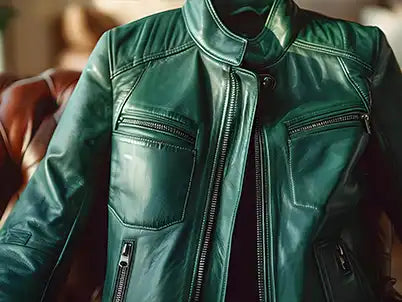


Leather has been part of fashion and craftsmanship for centuries. Most people are familiar with classic materials like cowhide or sheepskin. But every now and then you come across something a little more unusual. A texture that looks different. A pattern that feels almost artistic. That’s usually where exotic leather enters the conversation.
If you’ve ever wondered what is exotic leather, you’re not alone. The term gets used a lot in luxury fashion, but many people aren’t exactly sure what it means or why it’s so special.
Simply put, exotic leather refers to leather made from animals that aren’t commonly used in traditional leather production. Instead of cowhide or lambskin, these materials come from rarer sources like crocodiles, snakes, ostriches, or stingrays. The result is a unique leather that stands out immediately because of its natural texture and pattern.
Let’s walk through what makes this material special, the different varieties available, and where you’re most likely to see it used.
Exotic Leather Meaning and How It Differs From Traditional Leather

The exotic leather meaning is fairly straightforward once you break it down. It refers to leather produced from uncommon animal skins rather than the more familiar livestock hides used in everyday leather goods.
Traditional leather usually comes from animals raised for food production, such as cows or sheep. Exotic leather, on the other hand, comes from animals known for distinctive skin textures and patterns.
The appeal often comes down to individuality. Each piece looks slightly different because the natural scales, spots, or patterns of the animal remain visible in the finished leather. That uniqueness is one of the reasons luxury designers are drawn to these materials.
Another key difference lies in rarity. Since the animals used are less common and often regulated by conservation laws, these leathers are produced in smaller quantities compared to standard leather.
Why Exotic Leather Feels So Unique

When you first see exotic leather up close, it’s usually the texture that catches your eye. These materials often have patterns that can’t be replicated easily with traditional leather.
Here are a few qualities that tend to define this material.
Distinctive Natural Patterns
Unlike smooth cowhide, many exotic skins feature scales, spots, or raised textures. Those patterns create a visual depth that makes the leather feel almost like a natural work of art.
Rarity and Exclusivity
Many rare leather types are sourced from animals that are not widely farmed for leather production. Because of this, the supply is limited, which adds to their luxury status.
Symbol of Luxury
For decades, luxury exotic leather has been associated with high-end fashion. Designers often use these materials to create statement accessories or exclusive products.
Surprisingly Strong Materials
Even though some exotic leathers look delicate, many are extremely durable. Certain types, especially reptile skins, are known for their strength and resistance to wear.
Popular Types of Exotic Leather

There are many exotic leather types, each with its own appearance and texture. Some are more common in fashion, while others are rare collector materials.
Here are some of the most recognized ones.
Alligator Leather
Alligator leather is widely considered one of the most luxurious reptile leathers. It has large square scales and a polished finish that gives it a refined look.
Because of its durability and elegance, it’s commonly used in premium handbags and accessories.
Crocodile Leather
Crocodile leather looks similar to alligator leather but usually has larger and more irregular scales. It often has a bold appearance that stands out immediately.
This leather is highly valued in luxury fashion and frequently appears in high-end bags and belts.
Ostrich Leather
Ostrich leather is one of the softer exotic materials available. It’s easily recognized by the raised quill marks across its surface.
It’s durable, flexible, and surprisingly comfortable, which makes it popular for bags, footwear, and jackets.
Python Leather
Python leather is famous for its intricate scale pattern. The natural design gives it a dramatic and stylish appearance.
This leather is often used for statement fashion pieces like boots, belts, and small accessories.
Stingray Leather
Stingray leather has a distinctive pebble-like surface that feels almost like tiny beads. It’s one of the toughest leather materials available and is known for exceptional durability.
It’s frequently used in wallets, watch straps, and belts.
Lizard Leather
Lizard leather has smaller scales compared to other reptile skins. The pattern is subtle but elegant, making it a favorite for smaller luxury accessories.
Exotic Leather vs Regular Leather

When comparing exotic leather vs regular leather, the differences become fairly clear.
Traditional leather, such as cowhide, is widely available and commonly used in everyday items like jackets, furniture, and bags.
Exotic leather, however, tends to focus more on uniqueness and visual appeal.
Here are a few simple differences.
Source
Regular leather comes from common livestock, while exotic leather comes from rare or unusual animal species.
Texture
Cowhide typically has a smoother and more uniform surface, whereas exotic leather often features scales or natural patterns.
Availability
Standard leather is mass produced. Exotic leather is more limited and often regulated.
Price
Exotic leather products are usually more expensive because of their rarity and craftsmanship.
Where Exotic Leather Is Commonly Used

Many luxury brands use these materials to create distinctive fashion pieces. Over the years, exotic leather products have become symbols of craftsmanship and exclusivity.
You’ll most often see them used in:
- Luxury handbags
- Designer wallets
- High-end belts
- Premium shoes and boots
- Watch straps
- Fashion accessories
In some cases, designers also incorporate exotic leather details into clothing items.
Because of their striking textures, these materials work well as statement accents in fashion pieces.
Ethical Sourcing and Sustainability

As interest in exotic materials has grown, so has awareness about responsible sourcing.
Many exotic leathers are regulated through international agreements like CITES, which control the trade of wildlife products. These regulations ensure that the materials come from sustainable sources and do not harm animal populations.
Responsible producers now focus on farm-raised animals and certified supply chains. This approach allows the industry to continue producing exotic leather while protecting wildlife ecosystems.
Can Exotic Leather Be Used for Jackets?

It can, although it’s less common due to cost and material characteristics. Full jackets made from reptile skins, for example, would be extremely expensive.
However, designers sometimes incorporate exotic leather panels or embossed textures into jackets to create a similar visual effect.
Another option involves embossing exotic patterns onto traditional leather surfaces. This allows designers to achieve the aesthetic of exotic skins while maintaining the durability and comfort of standard leather.


