






Leather has a reputation for lasting forever, but anyone who has owned more than one leather item knows that not all leather behaves the same way. Some pieces age beautifully, others scuff easily, and a few seem to survive everything you throw at them. That’s where pigmented leather enters the conversation.
If you’ve ever stood in a store or scrolled online, wondering why some leather looks perfectly smooth while other pieces show natural marks, you’re already halfway to understanding what is pigmented leather. This guide walks through it the same way I’d explain it to a friend. No overcomplicated terms. Just the practical information that actually helps you decide.
Pigmented Leather Meaning in Simple Terms

Let’s clear this up first, because the name can sound more technical than it really is. The pigmented leather meaning comes down to one thing: protection.
Pigmented leather is real leather that has been coated with a layer of pigment and a protective finish. That surface layer evens out the color, hides most natural marks, and creates a barrier between the leather and the outside world. Think of it as leather wearing a jacket of its own.
Personally, I think this is where pigmented leather gets unfair criticism. Some people hear “coated” and assume it’s lower quality. In reality, it’s just a different purpose. It’s leather designed to handle life without complaining too much.
How Pigmented Leather Is Made

Every hide starts with scars, wrinkles, and uneven grain. That’s just nature doing its thing. When creating pigmented leather, manufacturers first smooth the surface slightly. This step reduces visible imperfections and prepares the leather for finishing.
Next comes the pigment. Unlike dyes that soak deep into the hide, pigments sit closer to the surface. They’re applied evenly to give the leather a consistent color. After that, a clear protective topcoat seals everything in.
That final layer is what makes pigmented leather feel different from more natural finishes. It’s also what gives it its reputation for strength and easy care.
Why Pigmented Leather Looks So Uniform

One of the easiest ways to recognize pigmented leather is how consistent it looks. You won’t see dramatic color shifts or prominent grain patterns. Everything feels balanced and controlled.
Some people love that uniform appearance. Others prefer visible character marks. Neither is right or wrong. It just depends on whether you want leather to tell a story or quietly do its job.
If I’m being honest, for items that get used daily, I usually lean toward leather that doesn’t show every tiny mark.
Pigmented Leather Durability Explained

This is where pigmented leather really shines. Pigmented leather durability comes from that protective surface layer. It helps resist scratches, stains, and everyday friction better than untreated leather.
Spills are less stressful. Light scratches don’t immediately ruin the look. Even sunlight tends to affect it less over time. That doesn’t mean it’s indestructible, but it’s far more forgiving.
If you’ve ever worried about babying your leather, pigmented leather feels like a relief.
Is Pigmented Leather Durable Enough for Daily Wear?

This question comes up a lot, so let’s answer it directly. Is pigmented leather durable enough for regular use? Yes, that’s actually what it’s best at.
Because the pores are sealed, dirt and moisture don’t sink in as easily. The surface holds up well against repeated handling. For people who wear leather often or live busy lives, this kind of durability makes sense.
It’s not the leather you buy if you want delicate aging or dramatic patina. It’s the leather you buy if you want peace of mind.
Texture, Feel, and Comfort

Pigmented leather usually feels smoother and slightly firmer than untreated leather. It can feel cooler to the touch as well. Some describe it as less “organic,” which is fair, but that tradeoff brings consistency and strength.
Over time, good pigmented leather softens a bit, though it won’t change as dramatically as aniline leather. It stays stable, predictable, and comfortable.
For outerwear, that predictability is often a plus.
Pigmented Leather Quality and What It Really Means

Quality gets misunderstood here. Pigmented leather quality isn’t about how natural it looks. It’s about how well the finish is applied and how strong the base leather is underneath.
High-quality pigmented leather still starts with a good hide. The difference is that imperfections are corrected and protected. Poor-quality pigmented leather, on the other hand, relies too heavily on coating to hide flaws.
The key is balance. When done right, pigmented leather feels solid, smooth, and reliable rather than plastic-like.
Pigmented Leather vs Aniline and Semi-Aniline

This comparison helps put things into perspective. Aniline leather is dyed but not coated. It shows everything. Grain, scars, marks, all of it. It feels soft and natural but stains easily.
Semi-aniline leather sits in the middle. It has a light protective layer, so it keeps some natural character while offering moderate protection.
Pigmented leather goes all in on protection. It sacrifices some natural appearance for strength and consistency. If you ask me which one is “better,” I’ll always say it depends on how you plan to use it.
Pigmented Leather for Jackets and Outerwear

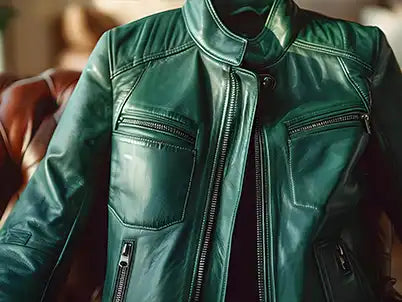
When it comes to outerwear, pigmented leather for jackets makes a lot of sense. Jackets face constant movement, weather exposure, and friction from daily wear.
Pigmented leather handles all of that without showing wear too quickly. It keeps its shape, holds color well, and doesn’t panic over every scratch. That’s why you’ll often see it used in structured outerwear styles.
Everyday Use Without the Stress

Some leather looks amazing but demands attention. Pigmented leather is more relaxed. Pigmented leather for everyday use is popular because it doesn’t require special treatment every time you wear it.
You can sit, walk, move, and live without constantly worrying about damage. Light cleaning is usually enough to keep it looking good.
Honestly, that practicality is what makes it appealing to so many buyers.
Is Pigmented Leather Long Lasting?

Longevity is one of its strongest traits. Pigmented leather long lasting performance comes from the protective finish doing its job year after year.
It resists cracking better than untreated leather when cared for properly. It also ages in a controlled way. Instead of dramatic changes, it maintains its original look for longer.
If you want leather that stays consistent rather than evolving, this is a strong option.
Caring for Pigmented Leather the Easy Way

Maintenance doesn’t need to be complicated. A soft cloth for dust and a damp wipe now and then usually does the trick. For tougher marks, a mild leather cleaner designed for coated leather works well. Avoid harsh chemicals and don’t soak it in water. Occasional conditioning helps keep the leather flexible.
When Pigmented Leather Makes the Most Sense

Pigmented leather isn’t trying to be artistic or dramatic. It’s practical. It suits people who want durability, consistency, and low maintenance.
For leather jackets that need to balance style and daily wear, pigmented leather offers a reliable middle ground between appearance and performance.
It’s not about showing off imperfections. It’s about enjoying leather without worrying too much.


