





Most people look at a leather product and focus on the leather itself. The texture, the finish, the color. Totally fair. But once you spend a little time around leather jackets, bags, or belts, you start noticing something else. The stitching.
It’s easy to ignore at first, but stitching is what quietly decides how long a leather product lasts, how it handles daily wear, and whether it feels premium or just okay. Personally, once I started paying attention to stitching, I couldn’t unsee it. You begin to notice loose seams, uneven lines, or really clean, strong work that just feels right.
So if you’ve ever wondered why some leather pieces age beautifully while others fall apart, the answer often comes down to the stitching. Let’s walk through the different types of leather stitching and how they’re actually used in real life.
Why Leather Stitching Matters More Than You Think

Leather is strong, but it’s not indestructible. The stitching is what holds panels together, reinforces stress points, and keeps everything in place when the leather starts to soften and move over time.
Good leather stitching does a few important things at once. It adds strength, keeps the shape intact, and helps the product age properly. Poor stitching, on the other hand, can make even expensive leather feel disappointing pretty quickly.
That’s why understanding leather stitching types isn’t just for craftsmen. It actually helps buyers make better choices too.
Understanding the Basics of Leather Stitching

At its core, leather stitching is the process of joining pieces of leather together using thread. Sounds simple, but the way it’s done makes a huge difference.
Different types of leather stitching use different tools, thread paths, and tension levels. Some are done by hand, others by machine. Some prioritize strength, others speed, others visual consistency.
Once you understand the basics, it becomes easier to tell why certain leather products cost more and why some hold up better over time.
Common Types of Leather Stitching You’ll See Most Often

There are several stitching styles out there, but a few show up again and again in leather products.
Saddle Stitching
Saddle stitching is often considered the gold standard in leatherwork. It’s done by hand using two needles that pass through the same hole from opposite sides. If one stitch breaks, the rest usually stay intact.
This method is time-consuming, which is why it’s often found in high-end leather goods. It’s strong, reliable, and ages well. You’ll see it in premium bags, belts, and sometimes in higher-quality jackets where durability really matters.
Lock Stitching
Lock stitching is the most common machine stitch. It uses two threads that lock together in the middle of the leather. It’s faster, more consistent, and works well for large-scale production.
Most commercial leather jackets use lock stitching because it balances strength and efficiency. When done properly, it holds up well to everyday wear.
Chain Stitching
Chain stitching forms a looped pattern on one side of the leather. It’s flexible and fast, but not as strong as saddle or lock stitching. If one part breaks, the rest can unravel.
This stitching method is usually used in decorative areas or lighter leather items rather than stress-heavy seams.
Leather Stitching Techniques and What They’re Best For

Different leather stitching techniques exist because leather products serve different purposes. A belt doesn’t move the same way a jacket does. A bag handles weight differently than footwear.
For example, stitching used in leather jackets has to deal with constant movement. Arms bend, shoulders stretch, and panels shift as you move. That’s why jacket stitching is often reinforced at stress points like shoulders, cuffs, and side seams.
In contrast, decorative stitching focuses more on appearance than structural strength. It still matters, but it serves a different role.
Hand Stitching vs Machine Stitching Leather

This is one of the most common comparisons people ask about, and for good reason.
Hand stitching vs machine stitching leather really comes down to purpose and scale. Hand stitching takes more time and skill, but it offers incredible strength and character. You’ll often see slight variations in stitch spacing, which actually adds to the handcrafted feel.
Machine stitching is faster and more uniform. It allows brands to produce consistent products at scale. When done well, it’s still very durable and perfectly suited for everyday leather items.
Honestly, neither is automatically better. Hand stitching shines in artisanal pieces. Machine stitching makes high-quality leather accessible and reliable for daily wear.
Stitching Used in Leather Jackets Specifically

Leather jackets go through a lot. Sitting, driving, moving arms, weather exposure. The stitching has to handle all of it without pulling or tearing.
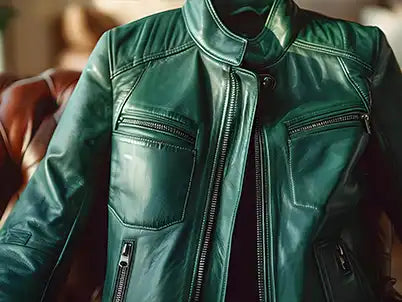
That’s why stitching used in leather jackets is often reinforced in key areas. Double stitching is common along seams that experience the most tension. You’ll also notice tighter stitch spacing in high-stress zones to prevent gaps from forming over time.
A well-stitched jacket feels secure. You don’t hear seams creaking when you move. You don’t see threads loosening after a season. That’s the quiet sign of good craftsmanship.
How Stitching Affects Durability and Longevity

Leather softens as it ages. That’s part of its charm. But as it softens, the stitching has to adapt.
Strong leather stitching methods allow the leather to move without tearing the seams apart. Poor stitching stays rigid and eventually gives up under pressure.
If you want a leather product that lasts years instead of months, stitching quality matters just as much as leather thickness.
Decorative vs Structural Stitching

Not all stitching is doing the same job.
Structural stitching holds the product together. This is where strength matters most. Decorative stitching adds visual interest, contrast, or branding. It can look beautiful, but it shouldn’t replace strong structural seams.
Good leather products balance both. They use strong stitching where it matters and decorative stitching where it enhances the design.
How to Spot Good Stitching When Buying Leather

You don’t need to be an expert to spot quality. Look for straight, even stitch lines. Check for loose threads. Gently pull at seams to see if they feel secure. Pay attention to areas like shoulders, pockets, and cuffs on jackets. If the stitching looks rushed or uneven, it probably was.
Why Stitching Tells You More Than Price Tags

Price doesn’t always equal quality, but stitching rarely lies. Well-executed stitching takes time, planning, and experience.
Once you learn to look at stitching, you start understanding why some leather products feel worth it and others don’t, regardless of branding.


