






Most women end up picking one of two things every winter: a coat that keeps them warm, or a coat that actually looks good. Rarely both. That's usually a shopping problem, not a styling problem. Once you know which women’s winter coats hold up in real cold and how to wear them, you stop making that trade.
Below is a practical rundown of coat types, what's actually selling right now, and how to style each one to create an intentional, put-together look.
Types of Women’s Winter Coats Worth Knowing

Every coat category solves a different problem, so it helps to know what each one is actually built for before you shop.
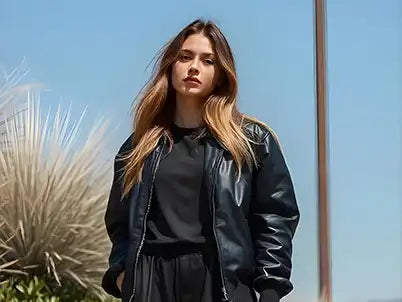
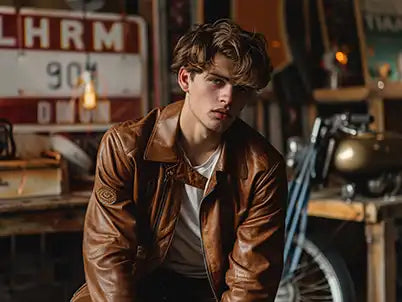
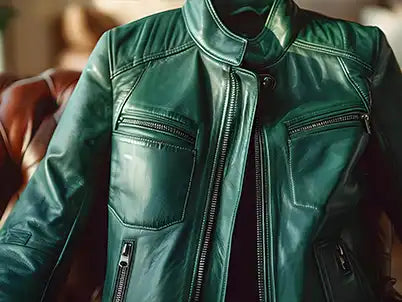
- Leather coats hold their shape for years and layer well over sweaters, which makes them one of the more durable buys in this list.
- Shearling coats use genuine sheepskin with the wool left in for real insulation, though the natural loft of the wool means they can run bulkier than a padded coat in some cuts.
- Wool coats stay tailored and clean, which is why they still dominate office and formal wear.
- Puffer coats trade polish for warmth per ounce. Many pack down small, though not every style does, and the fit tends to read casual more often than not.
- Trench coats and other long coats work better as a layering piece than a standalone winter coat, especially once temperatures actually drop below freezing.
Knowing this before you shop saves you from buying a coat that photographs well but sits in the closet once it's actually cold outside.
What's Trending in Winter Coats This Year?

Winter Coat trends for 2026 favor pieces that work double duty: warm enough to wear daily, structured enough to look deliberate. Oversized coats are still around, but the shoulder is more tailored than the boxy cuts from a couple of seasons back.
Chocolate brown and deep burgundy are showing up next to black, giving people a few more color options that still work with everything else in a closet.
Texture is doing a lot of the work this season too. Shearling and leather keep outselling flat, uniform fabrics, mostly because texture looks more expensive even on a plain silhouette.
Picking the Right Coat for Your Winter

Three things decide this: how cold it actually gets where you live, how often you'll wear the coat, and what you already own.
If your winters get genuinely brutal, warmth comes down to insulation weight, lining, coverage, and wind resistance, not the material by itself. A well-insulated shearling coat or a heavily lined leather coat can hold up in serious cold, and so can a technical insulated parka; the deciding factor is how much coverage and wind protection the piece actually offers. If you're dealing with milder cold, or you spend most of your day moving between heated buildings and a car, a structured leather or wool coat is usually the better call. You get warmth without overheating the second you step inside.
Also, it's worth checking your closet before you buy. A black or brown leather coat works with almost everything already hanging there, so it earns its price back faster than a trend color you might not reach for next year.
The shearling jackets for women collection is worth a look if warmth and texture matter most to you this season.
Styling Ideas by Coat Type

|
Coat Type |
How to Style It |
|
Leather coat |
Chunky knit sweater, straight-leg jeans, scarf and knee-high boots on colder days |
|
Shearling coat |
Fitted turtleneck, straight trousers, ankle boots, or worn over denim |
|
Wool coat |
Tailored trousers or a midi skirt for a polished, office-ready look |
|
Puffer coat |
Slim jeans or leggings, structured bag or boots to balance the volume |
|
Trench or long coat |
Worn over a sweater or lighter jacket instead of alone |
Leather Coats
Throw a leather coat over a chunky knit sweater and straight-leg jeans, and you're already dressed for most of the day. Add a scarf and knee-high boots once it gets colder. Leather also works over a dress for evening plans, since the structure does the job a blazer usually would.
Shearling Coats
Shearling usually doesn't need much extra styling. Wear it with a fitted turtleneck, straight trousers, and ankle boots and let the texture do the talking. Keep in mind genuine shearling has natural weight and loft, so it can feel bulkier under fitted layers than other coat types. It also works over denim for something more casual, and either way you're not fighting the coat for attention.
Wool Coats
Keep what's underneath clean and structured, like tailored trousers or a midi skirt. This is the combination that looks professional, which is exactly why wool coats still show up so often at the office and at winter events.
Puffer Coats
A puffer's shape is naturally rounded and casual, so balance it with something fitted underneath; slim jeans or leggings work fine. Not every puffer packs down easily, so if travel packability matters to you, check the fill type before buying. A structured bag or a pair of boots keeps the whole outfit from tipping too far into loungewear territory.
Trench and Long Coats
Wear a trench as a layer over a sweater or lighter jacket rather than on its own once it's actually cold. That's what makes it one of the more flexible coats to own. It adjusts with the day instead of forcing you to commit to one temperature.
If you're deciding between materials, our guide to leather coats for women breaks down fit, care, and what to look for at different price points.
Mistakes That Ruin an Otherwise Good Coat

- Buying it too small. A winter coat needs to fit over a sweater, not just a t-shirt. If it's snug now, it won't work once you're actually layering for the cold.
- Ignoring proportion. A big, roomy coat over equally loose clothes underneath just adds bulk everywhere. Pair a looser coat with something more fitted underneath, or the other way around.
- Prioritizing looks over function. A gorgeous coat that isn't warm enough for your winters ends up as a closet decoration. Nail down warmth first, then pick the best-looking option that still checks that box.
- Forgetting accessories. A scarf, gloves, and the right boots aren't extras. They're often what makes a plain coat and sweater combination look finished instead of unplanned.
When to Actually Buy a Winter Coat?

Buy before the cold hits, not after. Shopping in early fall means better stock and more sizes still available. Wait until January, and the shearling and leather pieces worth owning are usually gone, along with your size in whatever's left. If a leather or shearling coat is already on your list this year, don't wait for the first cold snap to go looking.
How Many Winter Coats You Actually Need?

Two or three, realistically. One structured coat, leather or wool, for work and anything formal. One heavier piece, shearling or a well-lined leather coat, for the days that are genuinely cold. One lighter coat or trench for layering on the in-between days. Building around those three does more for your wardrobe than owning five coats that all solve the same problem.
Styling for Your Body, Not Just the Trend

Coat shapes look differently depending on your physique, so it's worth thinking about before buying.
Coat length changes the whole silhouette. A coat that hits at or just above the knee tends to look more streamlined, while a floor-length or longline coat leans dramatic and pairs well with a slight waist definition or a fitted layer underneath.
Shoulder fit matters more than most people think. A structured shoulder holds its shape and works well over a blazer or sweater, while a dropped or oversized shoulder leaves more room to layer without adding bulk.
Waist definition, whether from a belt, a tailored cut, or the coat's natural shape, adds structure and can make an oversized or boxy coat feel more intentional. Prefer a relaxed line instead? A straight or boxy cut skips that structure entirely and works just as well.
None of this is a rule you have to follow exactly. It's just a faster way to figure out what's going to look right on you instead of guessing every season.
For more ways to build out a complete winter wardrobe, explore our guide on how to style women’s leather jackets: tips,trends, and fit guide for layering ideas, outfit combinations, and styling tips that work across different occasions.
Frequently Asked Questions
What's the best winter coat for really cold climates?
In serious cold, warmth comes down to insulation weight, lining, and wind resistance rather than any single material being automatically best. A well-insulated shearling coat or a heavily lined leather coat can perform well, and so can a technical insulated parka. Check the fill weight and lining before assuming one type wins over another.
Are leather coats actually warm enough for winter?
Leather can block some wind on its own, but how warm it feels depends on the lining and how heavily insulated the coat is. A well-lined leather coat worn over a sweater works fine for cold days, but a lightly lined leather coat may not provide enough insulation for severe winter conditions, so it's worth checking the lining weight before relying on it for extreme cold.
How is a winter coat supposed to fit?
It should sit comfortably over your usual winter layers without pulling across the shoulders or restricting your arms. Sleeves should hit your wrist, and the back shouldn't strain when you reach forward.
Can one coat work for both casual and formal days?
A structured leather or wool coat in black or brown can, as long as you change what's underneath. Jeans and boots for casual, a dress or tailored trousers when it's formal.


