








You’ve seen the word viscose on a clothing tag, nodded like you understood it, and moved on. Most people do. I used to do the same. It sounds technical, kind of fabric-science-y, and honestly, no one explains it in a normal way.
So let’s do that now. No stiff definitions. No textbook tone. In this guide, you will get the real explanation of viscose fabric, why it shows up everywhere, how it feels when you wear it, and how to keep it from getting ruined after one bad wash. Keep reading to know everything about viscose fabric.
What Is Viscose Fabric?

Here’s the simple version of what is viscose fabric? It’s a man-made fabric that starts with something natural, usually wood pulp. That pulp gets broken down, processed, and turned into fibers that can be woven into fabric.
This is why people get confused about it. It starts natural, but it’s made through chemical processing. That puts it in a weird middle zone. Not fully natural like cotton. Not fully synthetic like polyester either.
If you’re wondering about viscose fabric meaning, think of it like this: it’s designed to feel soft and breathable like natural fabrics, but with more control over how it drapes and looks. And honestly, that’s why brands love using it.
Is Viscose Natural or Synthetic?

This question comes up all the time. The most honest answer is, both. It’s made from natural cellulose, but because it goes through chemical treatment, it’s labeled as semi-synthetic.
Does that really matter when you’re wearing it? Not much. What matters more is how it feels, how it breathes, and how it holds up. And viscose tends to score pretty well there.
How Is Viscose Fabric Made?

Understanding how viscose fabric is made helps explain why it behaves the way it does. It starts with wood pulp. That pulp is treated with chemicals to break it down and turn it into a thick solution.
This solution is then pushed through tiny holes to create fibers. Once those fibers are set and washed, they’re spun into yarn and woven into fabric.
It sounds complicated, and honestly, it kind of is. But the end result is a fabric that feels smooth, light, and easy to wear.
What Does Viscose Feel Like When You Wear It?

This is where viscose really shines. The viscose material is soft against the skin and has a natural flow to it. It doesn’t feel stiff or rough, which is why it’s often used in clothing that needs to drape well.
It also absorbs moisture better than many synthetic fabrics, which makes it comfortable in warmer weather. You don’t get that sticky feeling you sometimes get with polyester.
Is Viscose Fabric Breathable?

Yes, viscose fabric breathable properties of viscose fabric are one of its biggest strengths. Because it’s cellulose-based, viscose allows air to circulate better than fully synthetic fabrics. That makes it a solid option for summer clothing, linings, and lightweight layers.
It’s not as breathable as pure cotton or linen, but it’s noticeably better than polyester. For everyday wear, that balance works well.
Viscose Fabric Durability: What to Expect

Now, let’s talk honestly about viscose fabric durability. Viscose isn’t fragile, but it’s not indestructible either. It holds up well with proper care, but it doesn’t like rough handling. High heat, aggressive washing, and twisting can weaken the fibers.
If you treat it gently, viscose can last a long time. If you throw it in hot water and the dryer, it will remind you pretty quickly that it doesn’t appreciate that.
Common Viscose Fabric Uses

You’ll find viscose in more places than you might expect. Viscose fabric uses range across casual, formal, and functional clothing.
It’s commonly used in:
- Shirts and blouses.
- Dresses and skirts.
- Lightweight trousers.
- Scarves and summer layers.
- Inner linings for leather jackets and coats.
Because it drapes well, designers often choose viscose when they want a garment to look polished without feeling heavy.
Viscose Lining in Jackets and Outerwear

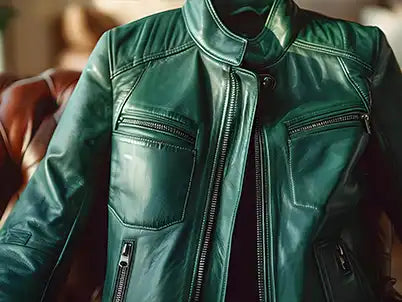
Different jacket styles often come with different types of leather jacket linings, and that lining plays a bigger role than most people realize. One area where viscose really earns its place is in viscose lining. It’s commonly used inside leather jackets because it feels smooth against the skin, allows better airflow, and helps the jacket drape naturally. Whether the outer leather is heavy or lightweight, viscose lining adds comfort without bulk, making the jacket easier to wear for longer periods while still keeping a clean, polished feel.
Lining matters more than people think. It affects how a jacket feels, how it moves, and how comfortable it is over long wear. Viscose lining feels smooth against the skin and helps regulate temperature. That’s why you’ll often see viscose in leather jacket designs. Leather on the outside gives structure and protection. Viscose on the inside adds comfort and breathability.
Honestly, once you’ve worn a leather jacket with a good viscose lining, you notice the difference immediately.
Why Top Brands Use Viscose in Leather Jackets

Leather can feel heavy or stiff without the right lining. Viscose solves that problem.
When used inside jackets, viscose:
- Reduces friction when layering.
- Helps with airflow.
- Adds softness without bulk.
How to Care for Viscose Fabric Properly

This is the part that really matters if you want your clothes to last.
Viscose doesn’t need special treatment, but it does need gentle handling.
Washing: Cold water is your friend. Use a mild detergent. Avoid harsh cycles. If possible, hand wash or use a delicate machine setting.
Drying: Air dry whenever you can. High heat weakens viscose fibers and causes shrinkage. Hanging or laying flat works best.
Ironing: Use low heat. Viscose wrinkles easily, but it smooths out quickly with gentle steam.
Storage: Fold rather than hang for lightweight pieces. Hanging can stretch the fabric over time.
Personally, I’ve learned the hard way that viscose and dryers do not get along.
Viscose vs Other Fabrics: A Quick Comparison

Viscose is often compared with cotton and polyester because it sits right between the two. When you compare it to cotton, viscose feels smoother and flows better, while cotton usually lasts longer and handles rough use more easily.
Compared to polyester, viscose is more breathable and comfortable on the skin, but polyester is stronger and more resistant to wear. That balance is why viscose works best when comfort, softness, and appearance matter more than heavy-duty durability.
Why Viscose Continues to Stay Relevant

Viscose doesn’t chase trends. It fills a practical role. It’s comfortable. It looks clean. It works in warm weather and as a lining in cooler months. It bridges the gap between natural and synthetic fabrics in a way that makes sense for everyday clothing. I think that’s why it keeps showing up in collections year after year.


